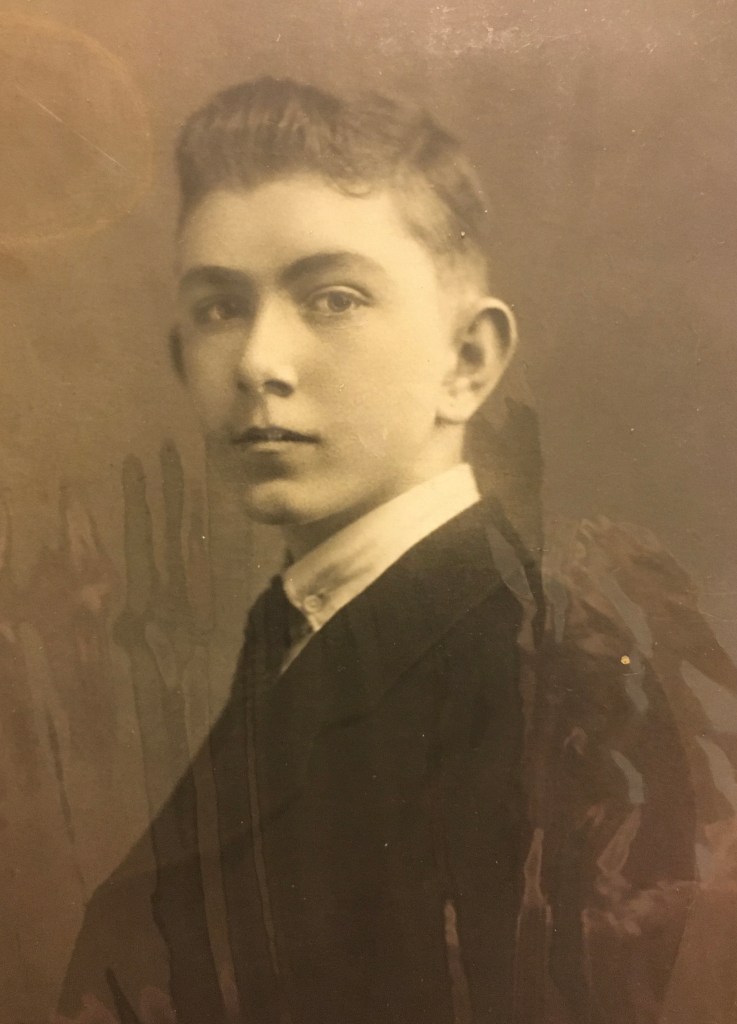
The first part of this tale explains how the Sanderson family came to be in Carnarvon, and that story begins with Stan Sanderson.
A futile trip to Kalgoorlie
We begin Stan’s story in 1934 with an ill-fated venture to find work. He was a young man of 24 when he traveled to inland mining town of Kalgoorlie. Having grown up in Guildford, where he lived with his parents and his younger brother Arthur, he was not averse to the heat, nor hard work, something that put him in great stead for where his journey would eventually take him.
The Great Depression was biting hard in Western Australia and Stan was one of the thousands of young men searching for work. He had completed a carpentry apprenticeship. Despite his good standing and being skilled in his craft, he could not find work in or around Guildford. Like so many other young men he looked further afield and packed his few tools into a small suitcase and boarded a train to Kalgoorlie.
It was a full day journey and the carriages were full. A sign of the times, when farming had expanded at a great pace east of the Darling Range. Stan was grateful for the short break and a stretch of the legs on the platform at Merredin. He thought about work in Kalgoorlie and what lay ahead. The price of gold had trebled! The frontier town was attracting many young men and post war migrants, all in search of work and find their fortunes.
When Stan arrived in Kalgoorlie he asked at the shops and businesses along Hannan Street for work. With no luck he continued his journey to Boulder. This decision proved fraught as it was during the time of riots and public unrest. Immigrants felt they were being denied work opportunities and had started to turn on business owners. People were desperate, demanding work and a fair wage.
Having your own tools gave you an edge to secure work. Stan had his own tools until an opportunistic thief grabbed his bag and ran off with it. Without his tools, no contacts, accommodation and civil unrest, Stan returned to Perth and the family home in Guildford.
The North Beckons
Over the following months, Stan discussed with his brother Arthur, the growing interest in the fledgling plantation industry in Carnarvon. The West Australian and the Daily Newspapers regularly reported on the early developments of the horticulture industry. It was a newsworthy topic. City folk were seeking a fresh and cheap supply of fruit and vegetables for the growing population.
The state government promoted employment opportunities and a growing northern economy which was overly reliant on the pastoral industry. News of the shipments of bananas and other fruit and vegetables arriving in Perth provided good reading and optimistic stories that painted a positive future during a time of depression and ever increasing unemployment.
The newspapers also reported on other opportunities to expand the pastoral industry. Government was investing in public works, roads and facilities to support the expansion of all agricultural pursuits. One of interest was a canning facility to process mutton and fish for the global market. Arthur laughed off a report in a weekend edition of The Mirror in August 1934 which warned of a new meat works venture in Wyndham. The report suggested it may repeat the same blunder as had occurred in Carnarvon 15 years earlier. The same town where Stan thought he would find work and a start his life.
Carnarvon appealed to Stan and so in 1935 he set his sights north and travelled the long dusty road to Geraldton. He then made his way along the direct route from Northampton. A road that had only opened a few years earlier. He passed the eight water tanks, which were named after the actual mileage from Carnarvon; 200, 180, 150, 125, 85, 55 and 40 mile tanks; as he counted down the distance to arrive in Carnarvon.
As a young man of 25 years he arrived in the town and found temporary lodgings at the YMCA lodging house in Egan Street. A friendly chap and happy to strike up a conversation. Stan spent the first couple of days talking with business proprietors and while in the Elders store in a street locally called Camel Lane, he met John Chappelle. John had a plantation on the south side of river, close to where a bridge to span the Gascoyne River had recently opened. The new single lane bridge, constructed in 1930, was a major investment to open road transport to the north west. Before the bridge motor vehicles crossed the sandy river bed by following a track reinforced by wire mesh.
Hard Work Lays the Foundations
This venture to the north west town was definitely proving to be more fruitful. He had found work, and a place to live, on Chappelle’s plantation on South River Road. The river being the Gascoyne River, the longest river in Western Australia which stretches some 800 kilometres inland.
The plantations were in the early stages of development and only had small areas of land cleared. The rich, red alluvial soil was proving ideal for a range of vegetables and fruits but the virgin land still needed to be cleared, leveled and the soil broken and turned. It was hard, dusty, physical work. Stan found he was well suited to it.
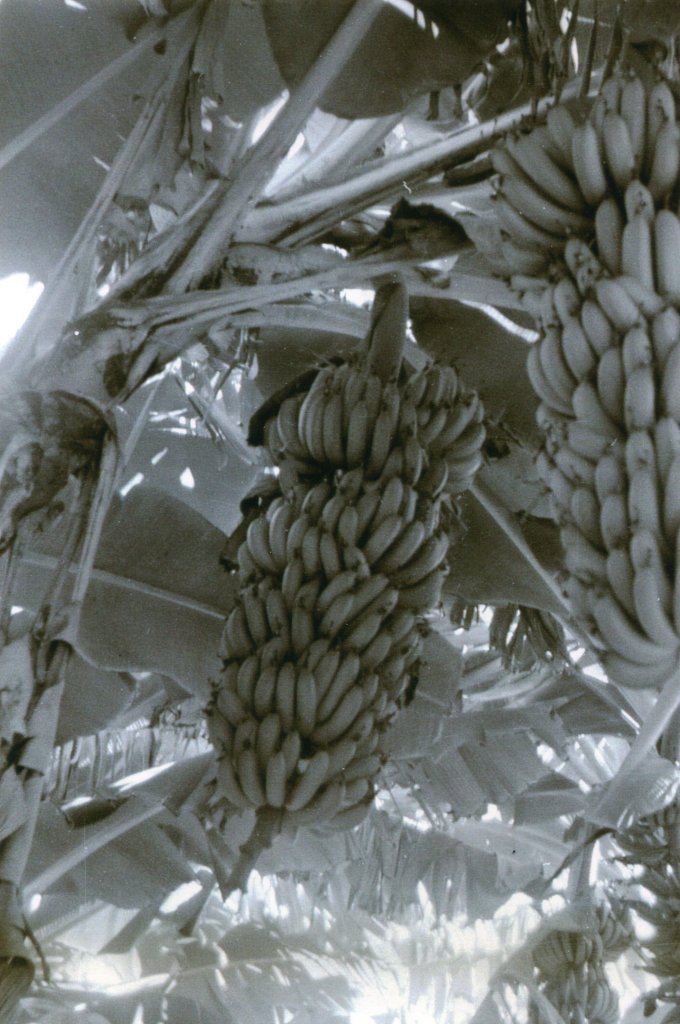
The fledgling plantations were some ten kilometres from town, accessible only by a dirt road which was prone to pot holes, deep wheel ruts and corrugations. A number of plantations had been growing bananas for about eight years. Along with tomatoes, beans and pineapples (yes pineapples were once grown and reported in Agricultural Journals as a crop grown in Carnarvon!) At this time, fruit and vegetables were packed into timber boxes and sent to Perth by the State Ships which would berth at the One Mile Jetty off Babbage Island.

During this time, Stan struck up a friendship with the son of Dr Edmund Fergusson-Stewart who was also named Edmund, and started to work as a laborer on the property Inverstewart Plantation. This plantation was on the north side of the Gascoyne river and so Stan would work the share farm on South River Road while also working for the Fergusson-Stewart’s.
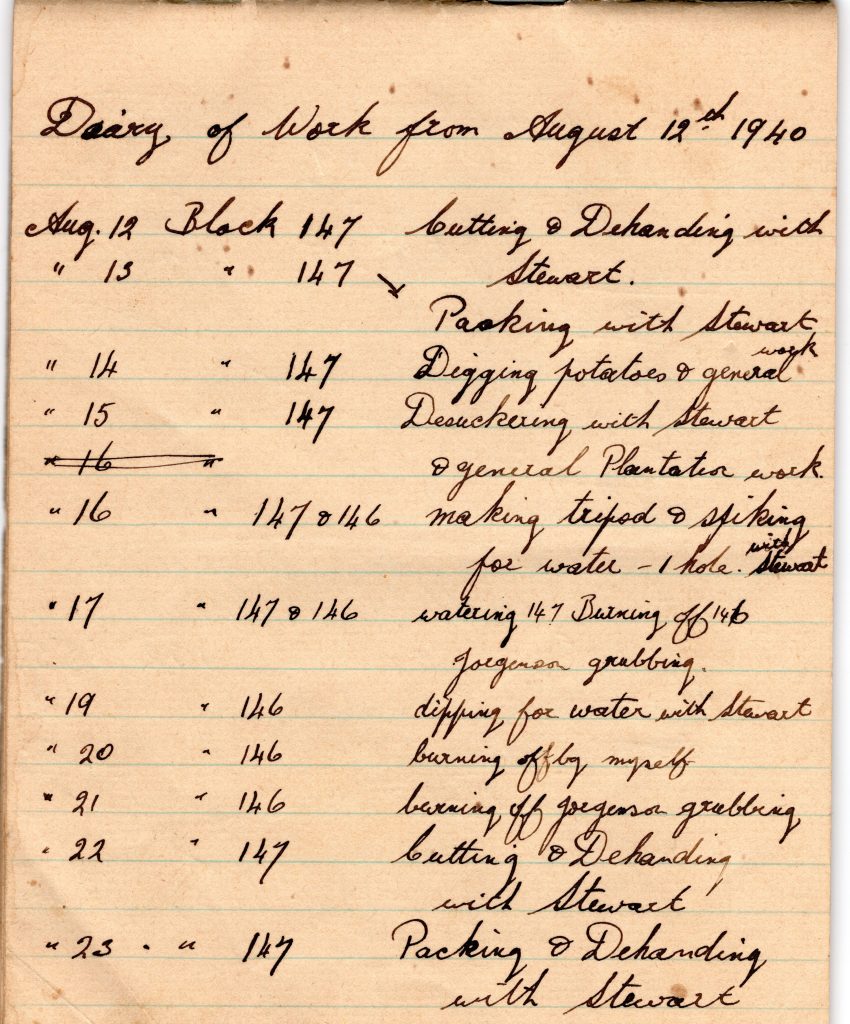
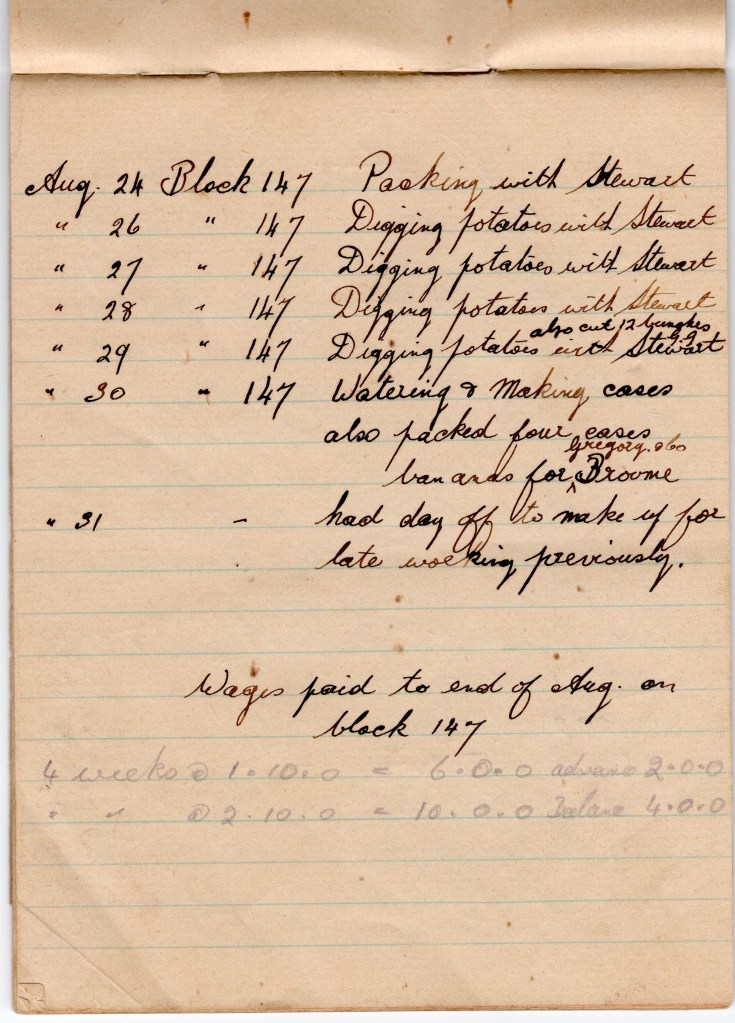
For a while Stan was working on both properties and maintained his hours and payments of his work in a diary. He worked hard, seven days a week, taking only half a day on Sunday. One day he could be planting maize on Lot 147 and another cleaning banana suckers for Chappelle. His records included nailing boxes together, taking sheep to be sheared at nearby Brickhouse Station, preparing banana suckers and digging irrigation trenches.
Three years into share farming and labouring, Stan returned to Perth to marry Marjory Hollings. They had known each other as teenagers, Marjory having lived in Maylands and they knew each socially. Stan and Marjory returned to Carnarvon and lived on South River Road.
From 1939, Stan worked mostly on Lot 147. Edmund was spending more time in Perth and Stan being a reliable and hard worker, was more or less managing Inverstewart Plantation.
.
The Start of the Sanderson Family Enterprise
Following the death of Dr Fergusson-Stewart, the young Edmund placed greater trust in Stan and Stan played a significant role in the management of the plantation.
From late 1940, Stan worked only for the Fergusson-Stewarts on the property where the year before he had planted several patches of banana stands. These bananas had started to produce impressive bunches and in the summer were ready to harvest, pack and send to the market in Perth. They also grew potatoes and maize, all the while preparing additional plots and digging new irrigation channels. They kept a small flock of sheep. The manure was a good additive to the soil. When Brickhouse Station was shearing they would load the small flock on the back of a lorry and drive them to the shearing sheds for shearing. By Christmas 1941, Stan and the young Edmund had entered into an agreement that Stan would take on the property from July 1942.
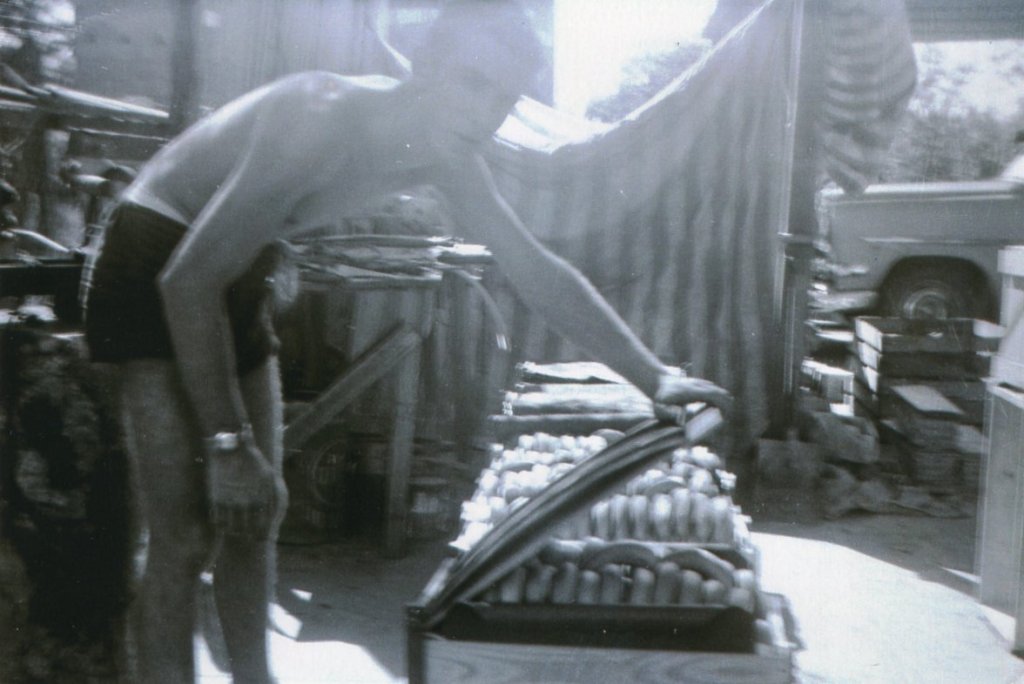
A market report in August 1942 includes a message from the long standing market agent Ralph Illingworth congratulating Stan for his purchase of the property. One of the first matters of business for Stan was to rename the plantation. At 31 years of age Stan was now a grower in his own right and from that point the bananas and beans sent to Perth were marked as grown on Inverstan Plantation, Carnarvon.
At first, Stan planted vegetables while expanding the first plots of bananas. While bananas became the main produce for Inverstan Plantation, Stan also held an interest in tropical fruits and grew many different fruits over the following years just to see how they would fair in the Carnarvon climate. Avocado, macadamia, dates and custard apple are just some of the fruits he grew successfully although not in commercial volumes for market.
In 1942, the Gascoyne Co-Operative Society noted that Stan sent 30 cases of bananas in one shipment. With three river flows, including some minor flooding of the town, it was a good year for Stan and Marjory.
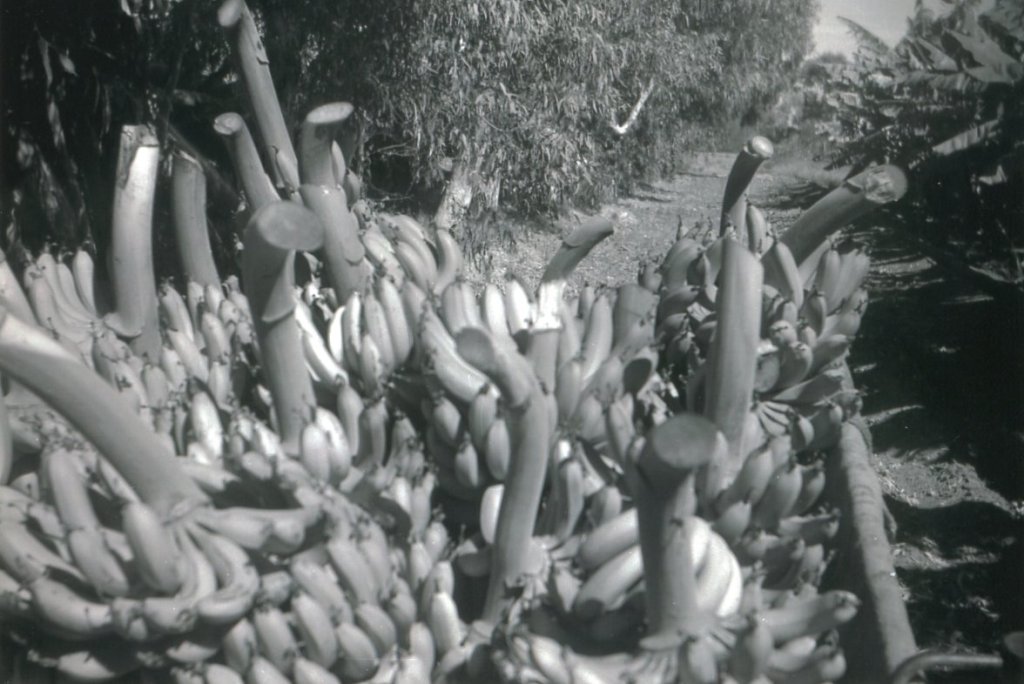
The next year what not so fortunate. With the particularly hot summer came a cyclone. On the 28 February 1943 the small town and plantations were battered with strong winds and rain. The bananas were laid flat and buildings damaged. This was soon followed by a flood in March, setting them back and requiring the time, cost and effort to cleaning up, repairing, standing up bean sticks and clearing the damaged banana crop.
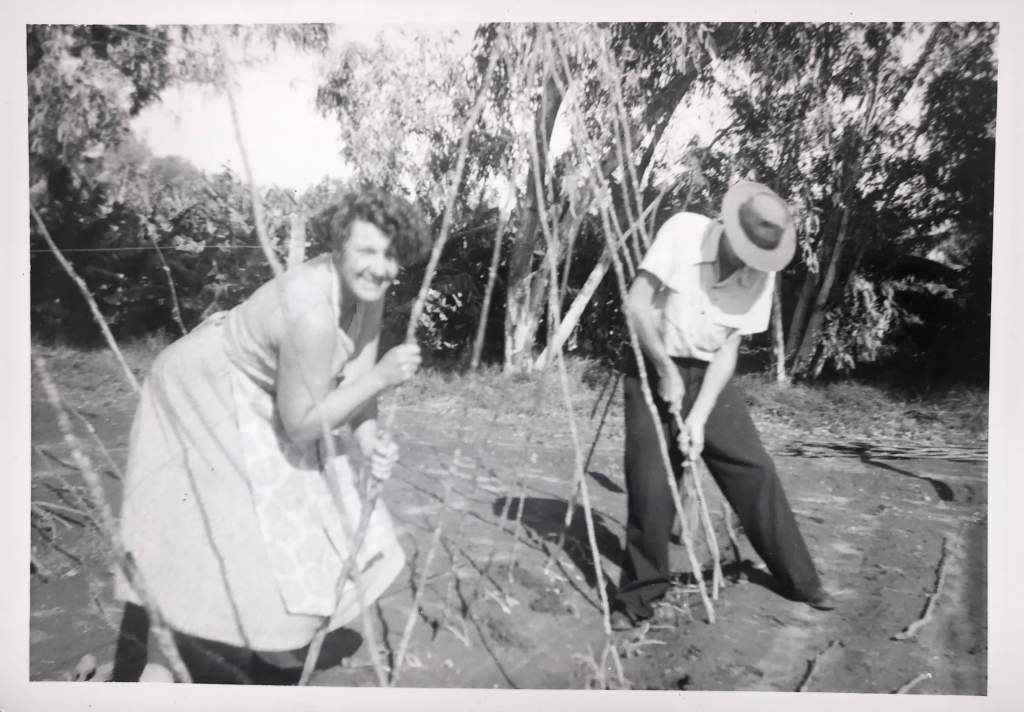
Industry Founder
He was an attentive grower. He maintained detailed records of weather, river flows, water quality and tracking progress through the market reports, weather, rainfall and river flow records. He monitored the variations in quality and quantity of his produce. He was on a number of committees of which he also held positions as chairman or president during his 50 years in the industry.
During his time as chairman of the Carnarvon Bananas Association he actively lobbied for direct road transport between Carnarvon and Perth. Correspondence from Stan to the Minister of State Shipping Services and Railway Service and the market agents demonstrates his determination to advocate and improve the transport of bananas to the Perth market and the quality of the fruit in the shops in Perth. Stan, along with Dennis Marr and other plantation owners actively worked to establish the road transport of fruit which resulted in the establishment of the Gascoyne Co-operative and Gascoyne Traders.
Stan continued to be an active contributor to the industry. In 1947 he became president of the Banana Planters Committee that focussed on improving the production and the quality of fruit destined for the Perth markets. A 1947 publication of the Agriculture Journal features Inverstan Plantation with a galvanised trough irrigation system described as being in good order after ten years of use having been installed by Stan while working for the Fergusson-Stewarts.

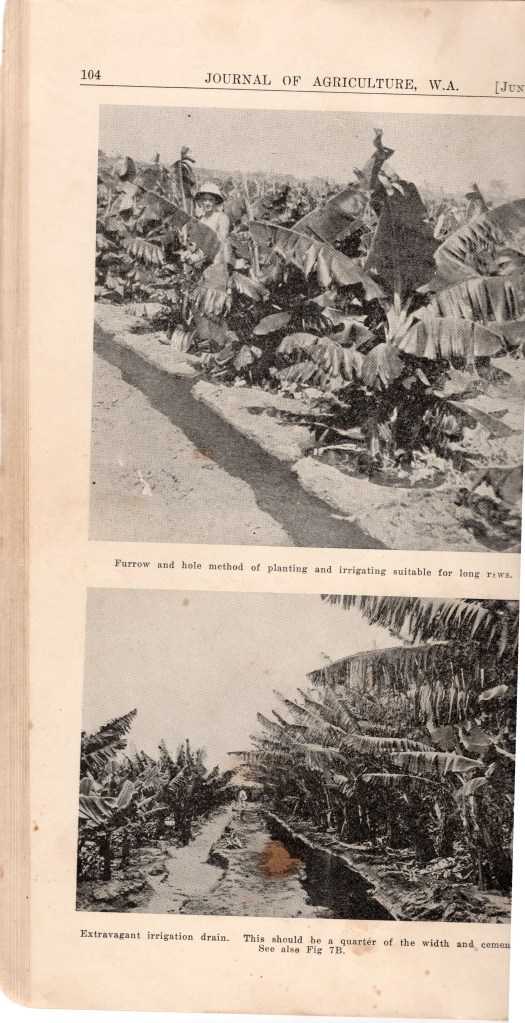
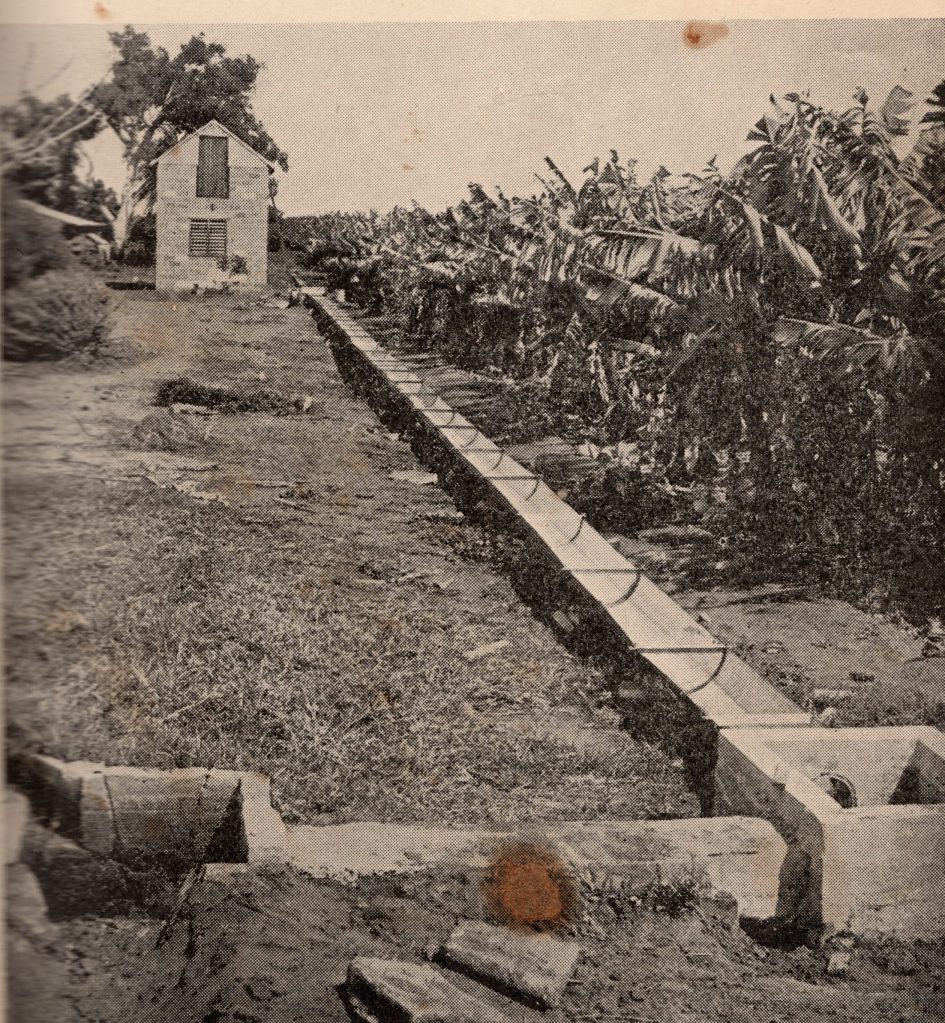
In my pursuit to find the origins of the Elephant House, this 1947 journal shows the building in the background of photo of the irrigation channel.
Stay tuned for more about Stan and Marjory and the next generation.
 The Elephant House