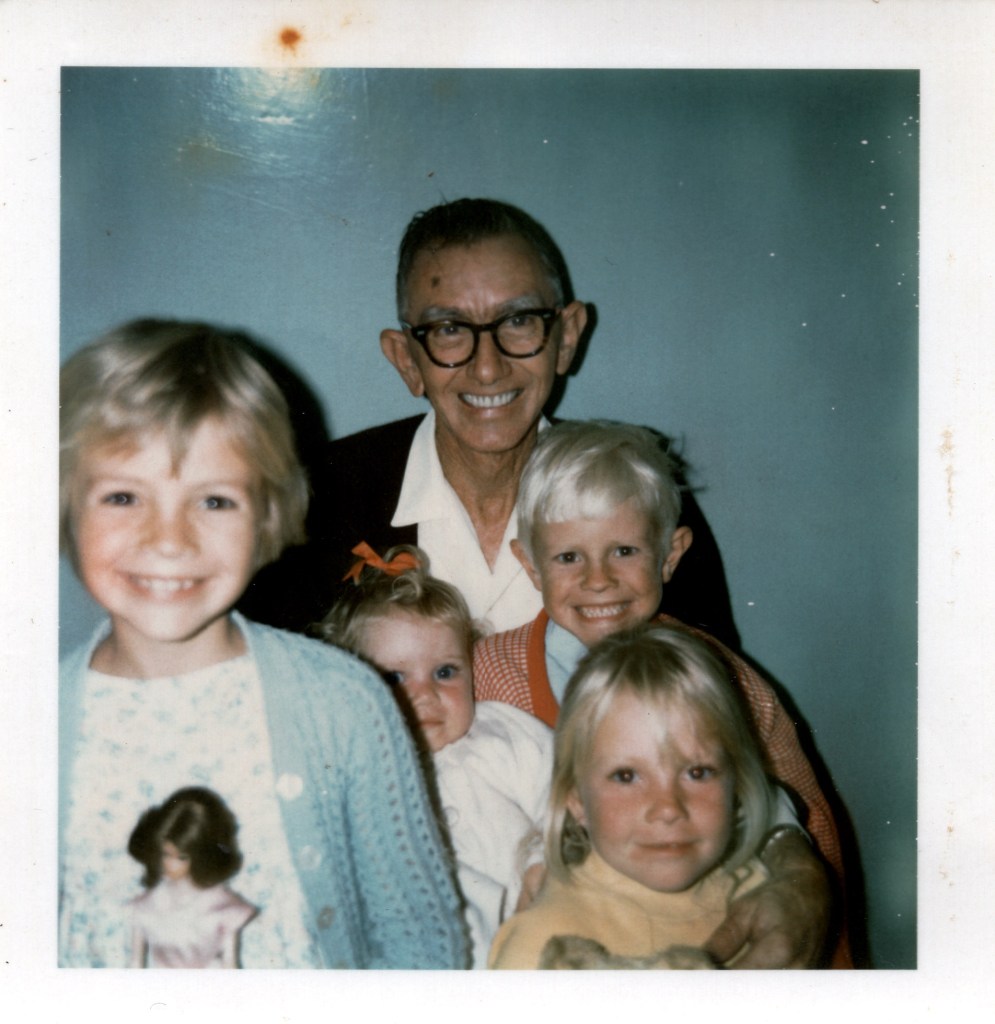
This next chapter is about my generation. I would not describe my childhood as ordinary. Far from it. I would, however, describe my childhood as enchanting. This chapter may seem a bit whimsical for readers seeking straight out history. But this is a part of my history and provides further insight as why it became my quest to discover the origin and history of the Elephant House. You see, growing up on the plantation was kind of magical.
My earliest memories are of running through muddy patches of bananas, eating juicy, fat, purple mulberries and enjoying sweet mangoes; the juice running down my arms. The sweet smell of citrus blossom or mango flower in the air, depending on the season. The days would start with the early morning sound of the diesel engines chugging from the river bank, pumping water up to the tank. Kookaburras would laugh from gum trees and when back among the wattle trees we would hear the ‘Did you get Drunk’ bird (the Chiming Wedgebill) calling for its mate.
Growing up with my grandparents, uncle, aunt and cousins was like living in a small village. Most mornings the tractor was out early, rattling along pulling a trailer ready for the days harvest. It was quite a sight seeing it head back to the packing shed later in the morning, loaded with freshly cut bunches of bananas or bins of citrus or mangoes.
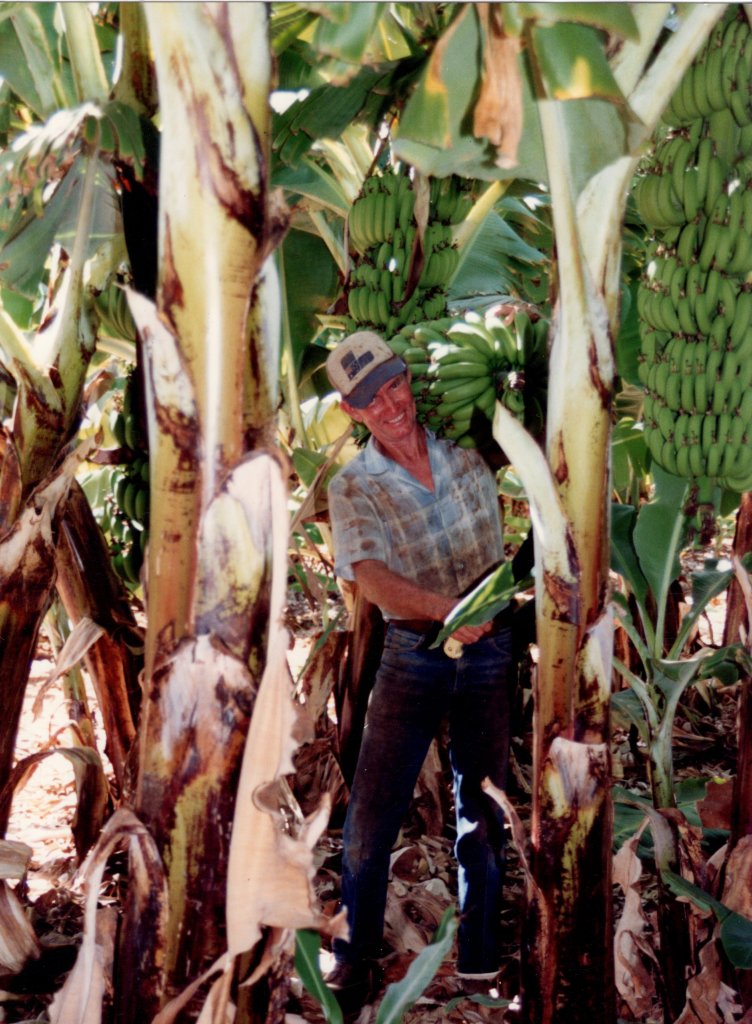
By the 1970s, the families of Laurie and Alan were well established into plantation life. Suzanne, Wayne, Vicki and I attended East Carnarvon Primary School. Each morning we would walk or ride our bikes down the long driveway, past patches of bananas and the horse paddocks to catch the ‘Red’ bus to school. At the end of the day, following a long bus ride home, we would feed and water the animals and on the weekends we were either riding bikes, playing down the river or mucking around the Elephant House.

Our cousins Stephen, Peter and Wendy Lyall lived further along North River road. They would often ride their bikes along the river bank, meeting by the Elephant House, to decide what mischief or adventure we would get up to.
By now the Elephant House had become a useful and, somewhat full, storage space. In the nearby paddock an extensive orchard of naval oranges, grapefruit and tangerines grew. At the side, two tamarind trees had grown to such a height they overshadowed the old building. The young cousins would often find themselves spending hours in and around this grand old cubby house.
The Elephant House was so tall and wide. Big enough for an elephant to fit inside. I was convinced that I could only reach the door to the loft from atop an elephant. It was strong like an elephant. It had to be. How else had it withstood so many cyclones, wild storms and floods.
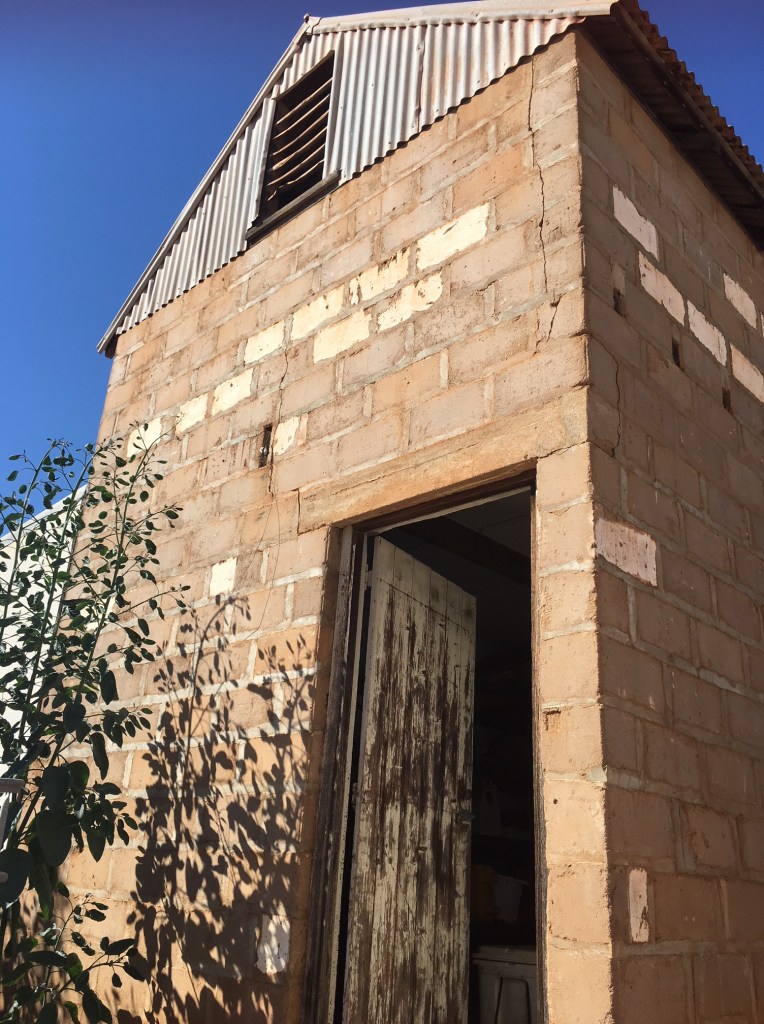
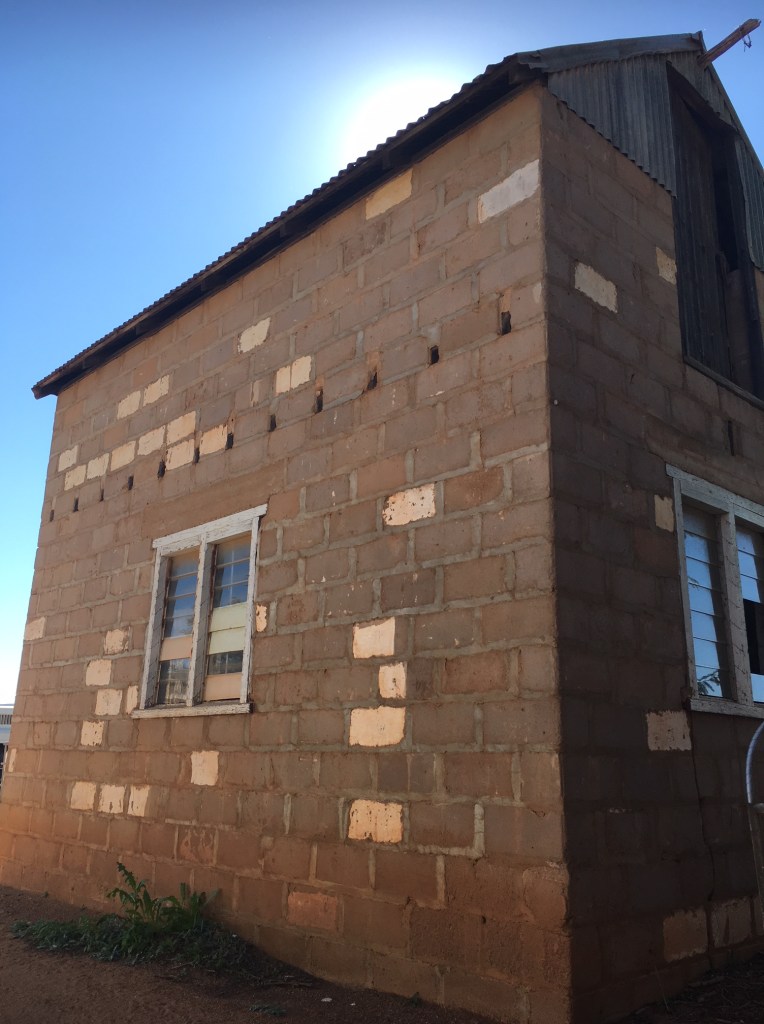
This grand cubby house came with furniture. A couple of single wire beds. One with an old striped mattress. A green kitchenette and old trunks filled with treasures. The treasures included beautiful, colourful, tulle dresses adorned with sequins. One blue, the other green.
On hot days, when the air was filled with the scent of citrus flower, I would sit in the shade, drawing in the sand, my back up against the cool brick wall playing knuckle bones or marbles. Nearby, in the large tamarind tree Wayne had built a terrific tree house. It was very high up, as high as the loft door!
If we weren’t hanging around the Elephant House we would be riding bikes, racing along the dirt two wheel track that followed the river, or playing down on the dry, grainy sand of the river bed. When the river flowed we would play in the shade of the big river gums swimming, skipping stones or playing chase. There was a small island across the other side of the river with big old river gums growing on it. The large tree roots steadfastly holding the small island in place, created a deep pool to dive into. When the river stopped flowing, this became a popular swimming spot where we would meet up with other plantation kids.
We helped in the packing shed. I can remember making cardboard cartons and stacking them, intertwined like a Jenga Tower so they would not tumble down. We would polish the oranges and grapefruit after they had been washed and graded, providing the finishing shine before being packed for market. When packing bananas I would be at the end of the production line. Enclosing the boxed bananas with a cardboard lid, marking the size and proudly stamping the plantation name identifying the Sanderson’s as the grower. Sweeping the shed out and tidying up ready for the next harvest finished off a day of work and play.
There was plenty of space on the plantation and we had many animals and pets to care for. We each had a horse. On the weekends we would ride out into the dry Gascoyne River bed or along the bank. A good ride always finished back near the Elephant House for a water break. The small patch of green grass and a large tub of water filled from the tap provided a rest stop before they were returned to the paddock, unsaddled and brushed down.
Orphaned kid goats and joeys somehow found a home with us. Pet dogs, cats and budgerigars and of course chickens all required watering and feeding on a daily basis.
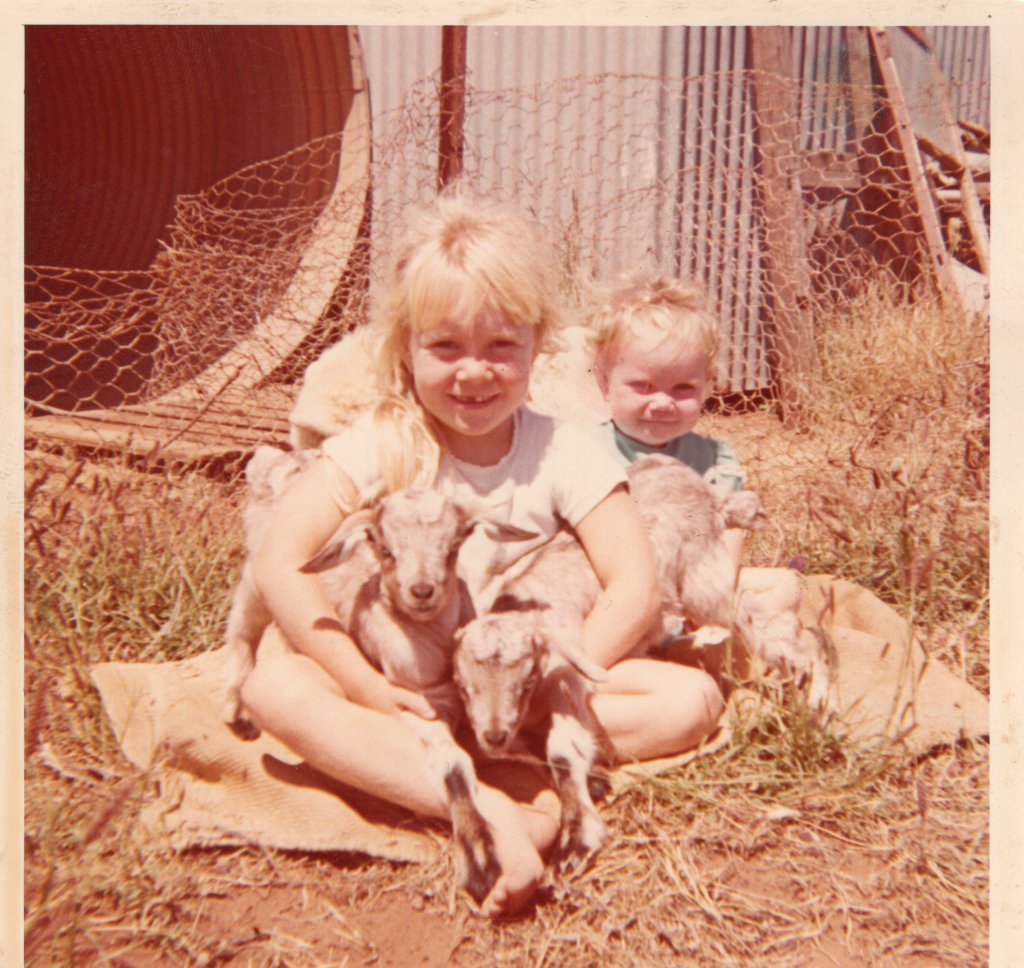
Plantation life was not without its dangers. We often came across snakes, dangerous king browns or dugites and the less harmless carpet python. The scratching sound of their scales on the concrete floor of the Elephant House, or the packing shed, was a dead giveaway that a snake was around…somewhere. Usually Grandad, Dad or Uncle Laurie would extract the snake and relocate it down the river bank, much to the dismay of the women who knew they would just reappear again when least expected.
Swimming in the river had its risks. As did horse riding, motorbike riding, driving tractors and climbing trees. I think all of us can share our stories of accidents and mishaps that involved one or more these activities. We all have battle scars and our parents probably aged a bit quicker, however it made us resilient, inventive and resourceful; just like our parents before us.
With my childhood left behind, I later returned to the plantation with my husband John and two young children, Katherin and Jean-Luc. Another generation fortunate to experience this plantation life. My children and the children of Sue, Wayne and Vicki, all grew up on the property and continued to call the old stone building the Elephant House.
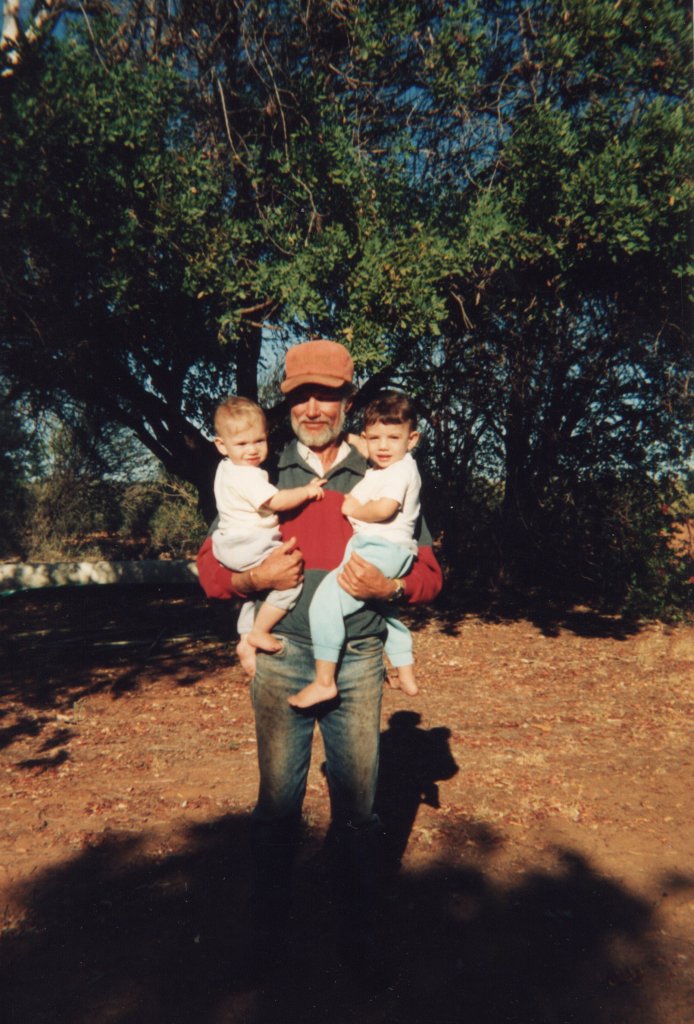
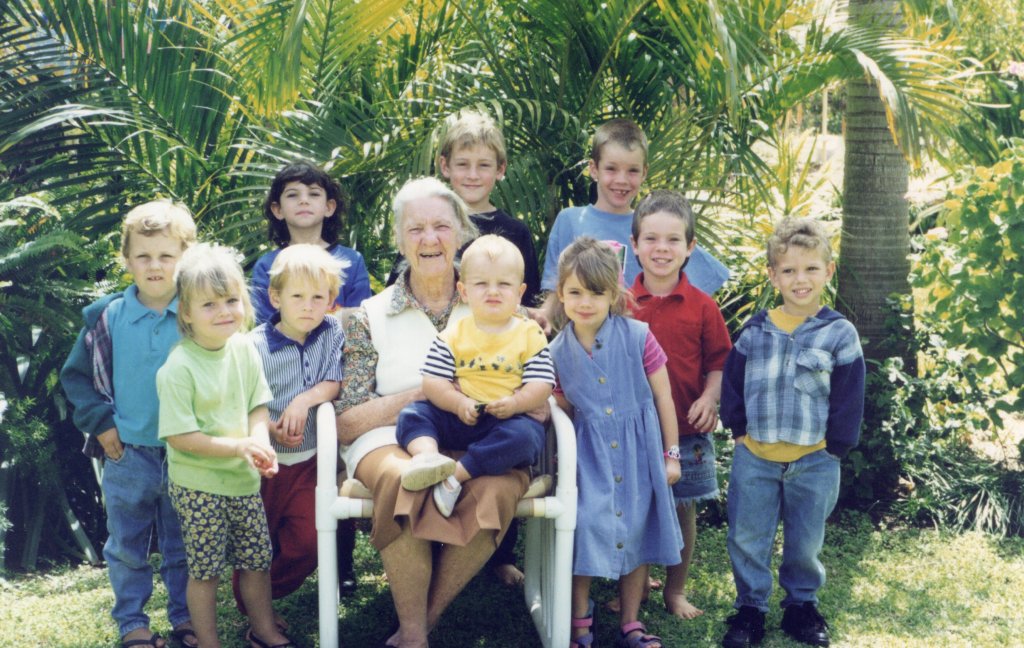
In the 1980s the Sanderson farming enterprise entered a new era. Join me when I post the next chapter which will follow a period of growth and expansion and a time when Inverstan Plantation transitioned to SW Sanderson and Sons.
 The Elephant House